



Newsroom

Empowering Chemists: Effective AI Integration for Enhanced Research Collaboration
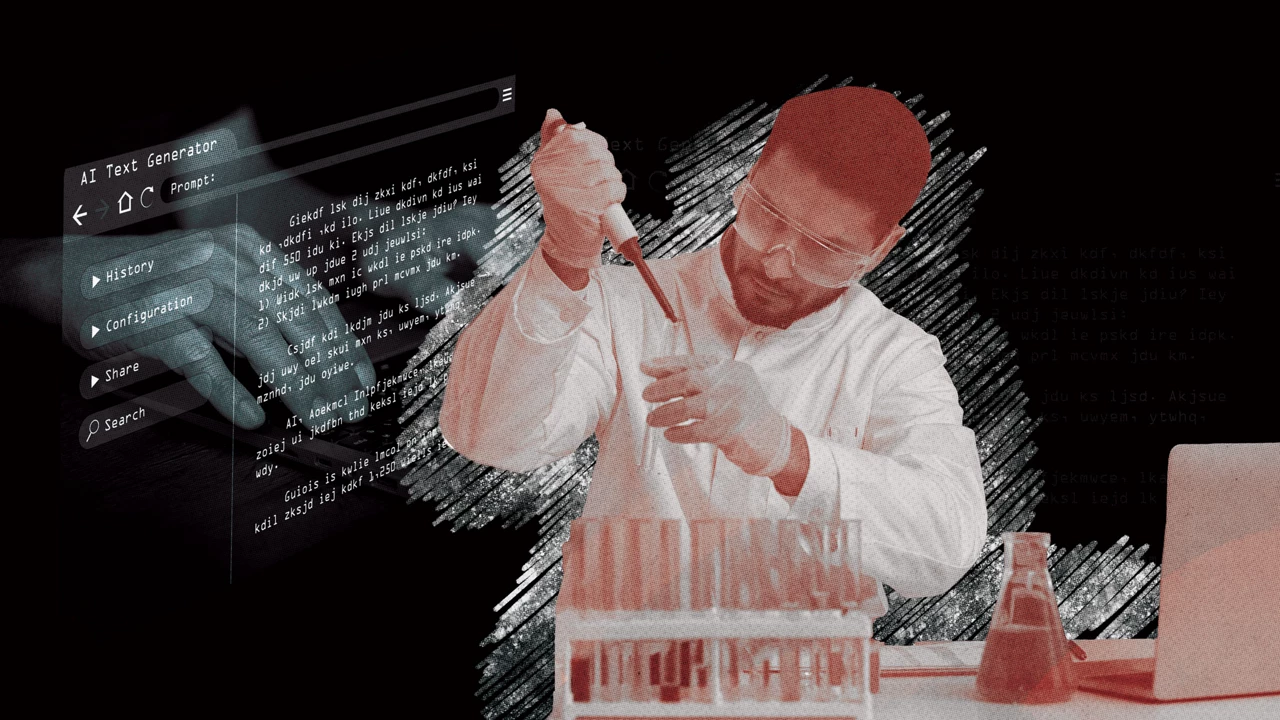
Chat applications like ChatGPT, Claude, and Gemini, powered by large language models (LLMs), are revolutionizing chemistry research by accelerating discovery and transforming AI into collaborative partners rather than mere tools.
AI Transforming Chemistry Research
Chat applications leveraging LLMs enhance tasks such as literature reviews, hypothesis development, regulatory interpretation, and toxicological analysis. These AI-driven technologies can summarize complex research papers, propose innovative molecular combinations, and predict experimental outcomes, thereby accelerating scientific discovery.
Challenges in Adopting AI Collaboration
At the American Chemical Society 2025 Fall meeting, we discussed how LLMs are evolving from passive tools to active collaborators in research. This shift requires reevaluating our interactions with AI to ensure outputs remain trustworthy, ethical, and scientifically valid.
Chemistry professionals approach LLMs with curiosity and cautious optimism but face challenges such as overconfidence in AI responses and difficulty in crafting effective prompts, a skill many chemists lack formal training in.
“I just ask whatever pops into my mind and then iterate.”
“You must be careful with how you pose questions… it definitely influences the response.”
Need for Guided Prompting and Transparency
The responsibility of effective prompting falls heavily on users, highlighting the need for systems that provide guided prompts, templates, and validation tools to reduce cognitive load and improve AI output quality.
Trust in AI remains conditional; chemists seek references and context alongside answers to increase confidence in AI-generated information, emphasizing transparency due to the high stakes involved in chemical decision-making.
Human-Centered AI Design for Chemistry
Efforts are underway to make AI more accessible and reliable for chemists by aligning interfaces with natural workflows and developing prompt libraries and helpers that reduce barriers to effective AI use.
Successful integration demands collaboration among chemists, computer scientists, ethicists, and designers to build trustworthy systems respecting user expertise.
As one participant put it, “I wouldn’t want the entry barrier to be too high; I just want to ask my question.” This underscores the vision for adaptable AI tools that empower scientists rather than burden them.
Empowering Scientists Through AI Partnership
The future of chemistry research lies in AI systems designed for trust, transparency, and shared responsibility—tools that facilitate scientific progress without replacing human expertise.
