



Newsroom

Innovative AbLec Technology Enhances Immune Response Against Multiple Cancers
Researchers have engineered innovative molecules that boost the immune system’s capacity to attack tumors, potentially revolutionizing cancer immunotherapy for a broader range of patients.
Innovative Approach Targeting Immune Suppression
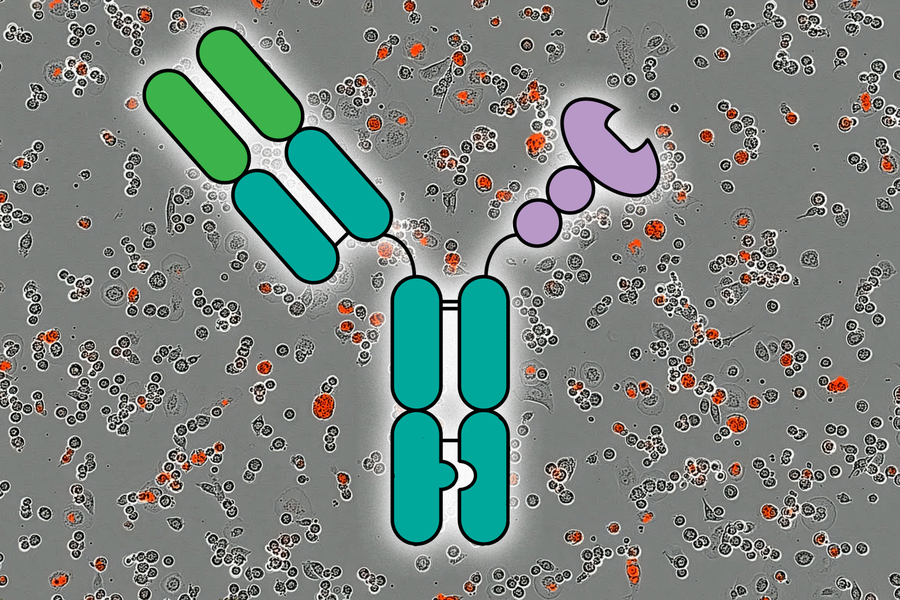
The study focuses on reversing immune inhibition caused by sugar molecules called glycans on cancer cell surfaces. By blocking these glycans with lectins, the immune system’s effectiveness is significantly increased. The researchers created multifunctional proteins named AbLecs that combine lectins with tumor-targeting antibodies, enhancing immune responses.
Engineering AbLecs to Overcome Immune Checkpoints
Current immunotherapies like PD-1 and PD-L1 inhibitors vary in patient efficacy. This research addresses additional immunosuppressive pathways involving glycans and their receptors. Glycans containing sialic acid bind lectin receptors on immune cells to suppress immune activity. The new AbLecs improve lectin delivery by conjugating them to antibodies that target cancer cells, effectively disrupting this suppression.
“Glycans act as a universal factor in immune suppression across tumors, making our engineered molecules a promising avenue for more effective cancer treatments.”
Preclinical Success and Versatile Design
The team developed an AbLec based on trastuzumab, widely used in breast and colorectal cancer therapies. In mouse models engineered with human immune receptors, AbLec treatment drastically reduced lung metastases compared to trastuzumab alone. Its modular design allows swapping antibodies to target diverse tumor-specific glycans.
Future Directions and Clinical Prospects
As the researchers advance AbLec candidates through their startup, clinical trials are expected in the coming years. Supported by prestigious grants, this approach aims to impact the field significantly by expanding effective cancer immunotherapy options.
