



Newsroom

Innovative Acoustic Monitoring System for Early Battery Degradation Detection
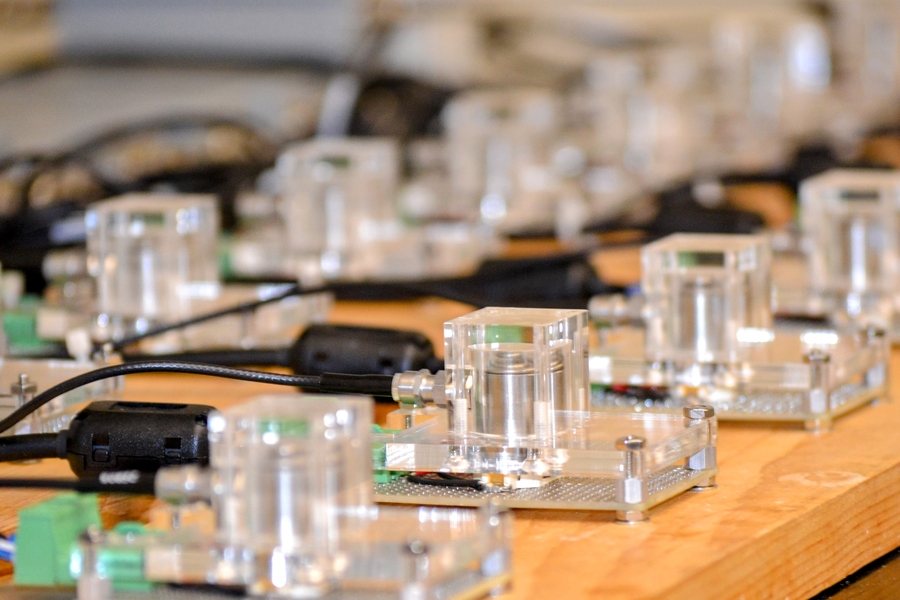
Before batteries experience power loss, sudden failure, or hazardous incidents, they often emit subtle sounds that reveal the degradation processes occurring within. However, interpreting these sounds to differentiate between normal background noise and indicators of potential issues has remained a challenge—until now. A research team from a prominent engineering department has conducted a comprehensive analysis of acoustic emissions from lithium-ion batteries. Their work has successfully linked specific sound patterns to distinct degradation processes occurring within the battery cells. These groundbreaking findings pave the way for developing simple, passive, and non-invasive monitoring devices capable of continuously assessing the health of battery systems, particularly in electric vehicles and large-scale energy storage facilities. Such technology could enhance the ability to predict operational lifespan and identify failures before they happen. The research, published in a leading journal, showcases the collaborative efforts of graduate students and faculty members. According to one of the researchers, the team has effectively decoded the acoustic emissions, categorizing them as originating from gas bubbles produced by side reactions or from fractures resulting from the expansion and contraction of active materials. Remarkably, they identified these sound signatures even amidst noisy data. The primary goal of this study was to explore internal battery mechanisms while the batteries are actively charging and discharging, all without causing damage. Existing methods for such assessments tend to be costly and impractical for conventional battery formats. To conduct their analysis, the team integrated electrochemical testing with acoustic emission recordings under realistic charging and discharging conditions. By applying advanced signal processing techniques, they correlated electrical data with acoustic signals. This approach led to an efficient and cost-effective method for understanding gas generation and material fracturing. Detecting gas generation and fractures is critical since these mechanisms are primary contributors to battery degradation and failure. Monitoring sounds from batteries offers a powerful tool for managing battery systems effectively. Previous methods focused solely on sound levels, but this study’s innovative approach involved simultaneous monitoring of voltage, current, and sound characteristics. This comprehensive analysis revealed that sound emissions occur at specific voltage levels, allowing for better identification of the underlying processes. After conducting tests, the team examined the batteries microscopically to observe material fractures, further validating their findings. Additionally, they employed wavelet transforms to encode frequency and duration of captured signals, creating distinct signatures that are easily distinguishable from background noise—a novel contribution to the field. Acoustic emissions have long been utilized in engineering fields to monitor structures for early signs of failure. This technique presents an invaluable opportunity to understand internal battery processes that typically remain hidden. Interpreting voltage and current data has often posed challenges; thus, incorporating acoustic analysis offers an additional perspective on battery health, longevity, and safety. In related studies, researchers have demonstrated that acoustic emissions can serve as an early warning for thermal runaway situations that may lead to fires if undetected. The next phase involves applying this newfound understanding of sound patterns to develop practical and affordable monitoring systems. The researchers now have clear indicators to focus on regarding battery health and safety. One exciting application of this research could be its use as a laboratory tool for material development and testing new environments. This would allow researchers to assess gas generation or active material fracturing without disassembling batteries. Furthermore, this monitoring system could play a crucial role in quality control during battery manufacturing. As the formation cycling process—essential for preparing batteries—involves chemical reactions that release gases, early detection of gas formation can help differentiate well-formed cells from poorly formed ones before they reach operational deployment. This research has received support from various organizations and utilized advanced facilities for experimentation.
