



Newsroom

Innovative AI Solutions from MIT-Takeda Program Advancing Health and Drug Development
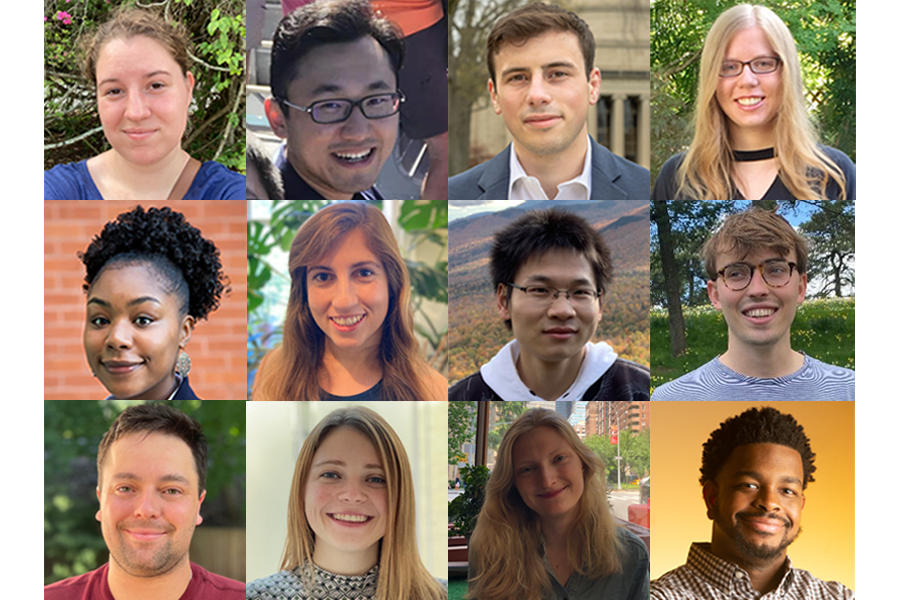
The MIT-Takeda Program pioneers the integration of artificial intelligence with health sciences to revolutionize drug development and disease understanding through innovative research and educational initiatives.
Bridging AI and Health Through Collaborative Innovation
The collaboration between MIT’s School of Engineering and Takeda Pharmaceuticals, known as the MIT-Takeda Program, aims to harness the potential of artificial intelligence (AI) to enhance human health and facilitate drug development. This initiative, part of the Abdul Latif Jameel Clinic for Machine Learning in Health, integrates diverse disciplines, merging theoretical research with practical applications while fostering innovative collaborations between academia and industry.
Dedicated to nurturing the next generation of AI and system-level innovations, the MIT-Takeda Program also focuses on creating educational opportunities. Each year, Takeda provides funding for fellowships to support graduate students engaged in research at the intersection of health and AI. The current cohort of Takeda Fellows is involved in a variety of impactful projects ranging from electronic health record systems and robotic control to enhancing pandemic preparedness and addressing traumatic brain injuries.
Innovative AI Research in Health Sciences
PhD candidates supported by the Takeda Fellowship are at the forefront of applying AI to diverse health challenges. Camille C. Farruggio utilizes machine learning to enhance cell-based medicine, investigating how culture conditions affect therapeutic efficacy. Wenhao Gao focuses on accelerating biological and chemical discovery processes using advanced AI algorithms for molecular discovery and drug development.
Samuel Goldman combines biology, analytical chemistry, and generative deep learning to identify unknown molecular structures in biological samples, offering new avenues for drug discovery. Sarah Gurev works on pandemic preparedness by predicting viral immune evasion through computational and experimental methods.
“Integrating AI with health research is not just innovation—it’s a transformative leap towards precision medicine and better patient outcomes.”
Advancing Computational Tools for Disease and Healthcare
Other fellows focus on computational strategies to improve healthcare delivery. R’mani Haulcy develops AI-driven tools for cognitive impairment evaluation via speech processing, particularly targeting frontotemporal dementia patients. Velina Kozareva applies machine learning to multi-omic data to decode heterogeneous diseases like amyotrophic lateral sclerosis.
Yang Liu’s work enhances electronic health records (EHR) and computational imaging in resource-limited settings, while Luke Murray addresses inefficiencies caused by EHR interface disparities disrupting clinical workflows.
Robotics and Imaging for Health Improvement
Mark Olchanyi applies deep learning to analyze imaging biomarkers related to traumatic brain injuries (TBIs), focusing on subcortical white matter lesions. Krista Pullen integrates vaccine immunology with machine learning to predict human vaccine efficacy from preclinical studies.
Georgia Thomas advances optical imaging technologies to improve treatment options for coronary atherosclerosis. Meanwhile, A. Michael West Jr. combines robotics and AI to enhance rehabilitation by studying neuromotor control of movement, aiming to improve robotic manipulation of the human hand.

