



Newsroom

Innovative Carbon Nanotube Sensors for Real-Time Plant Stress Monitoring
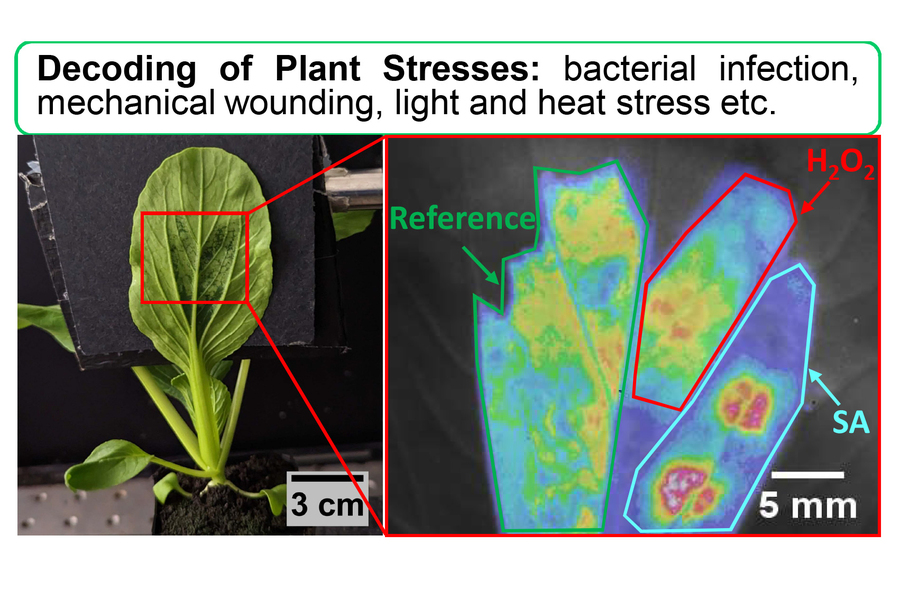
Researchers from MIT and the Singapore-MIT Alliance for Research and Technology (SMART) have developed innovative sensors using carbon nanotubes that can detect stress signals in plants. These sensors reveal how plants respond to various stressors, including heat, light, insect attacks, and bacterial infections.
Advanced Sensors Decode Plant Stress Signals
The sensors identify two crucial signaling molecules—hydrogen peroxide and salicylic acid (similar to aspirin)—that plants utilize to manage stress. Each type of stress induces the production of these molecules at specific intervals, creating unique patterns that could serve as an early warning system for farmers.
These advanced sensors provide real-time insights into the type of stress a plant is experiencing. As Michael Strano, a Carbon P. Dubbs Professor of Chemical Engineering at MIT and senior author of the study, explains, “The combination of these two sensors allows users to pinpoint the exact kind of stress the plant is undergoing, with chemical changes acting as fingerprints for different stressors.”
How the Sensors Work
The sensors work by detecting hydrogen peroxide, which plants release as a distress signal when facing threats like insect bites or light exposure. By adjusting the three-dimensional structure of polymers surrounding carbon nanotubes, these sensors can be customized to respond to various molecules, emitting a fluorescent signal upon detection.
To integrate these nanosensors into plants, they are dissolved in a solution and applied to the underside of leaves. The sensors enter through stomata and establish themselves in the mesophyll layer, where photosynthesis occurs. Once activated, their signals can be easily captured with an infrared camera.
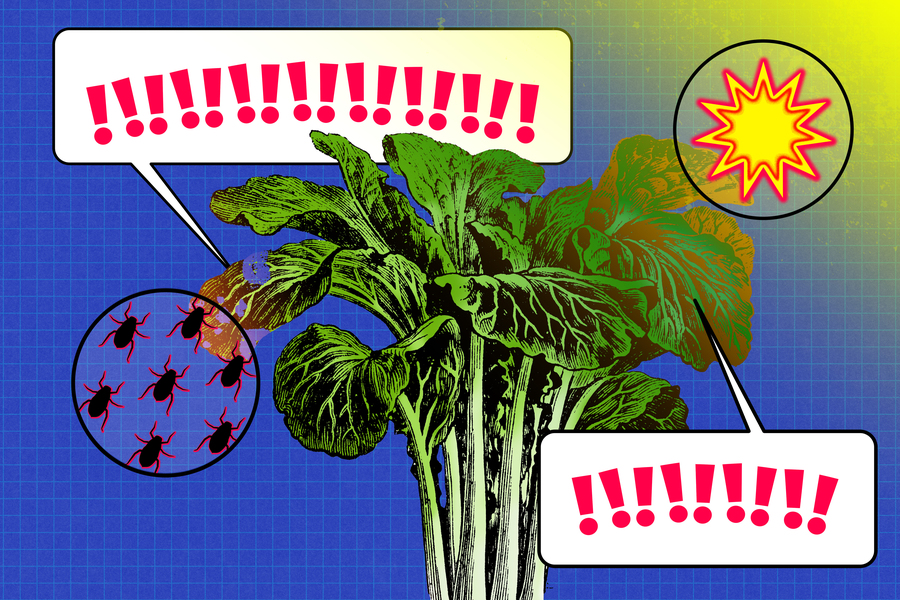
Nanosensors applied to leaf undersides penetrate through stomata
Distinct Plant Responses to Stress
In recent experiments, the sensors were applied to pak choi (also known as bok choy or Chinese cabbage) and exposed to four stress types: heat, intense light, insect bites, and bacterial infection. The plants exhibited distinct responses to each stressor, showcasing their capability to produce hydrogen peroxide within minutes and reaching peak levels within an hour.
The study reveals a complex ‘language’ that plants use to navigate stress. The waves of hydrogen peroxide and salicylic acid trigger additional responses that enhance plant resilience. For instance, when facing insect bites, plants generate chemical compounds that repel pests.
“The combination of these two sensors allows users to pinpoint the exact kind of stress the plant is undergoing, with chemical changes acting as fingerprints for different stressors.”
Implications for Sustainable Agriculture
This groundbreaking technique provides real-time data from plants and can be applied universally across various species. Unlike traditional fluorescent protein sensors that require genetic modification in specific plant types, this method offers a more adaptable solution.
Researchers aim to create sentinel plants equipped with these sensors to give farmers timely alerts about crop health. Early detection is crucial; for instance, by the time a plant shows signs of dehydration, it may already be too late for effective intervention.
As climate change and population growth heighten the urgency for sustainable agriculture, understanding plant responses to stress is more critical than ever. The interplay between hydrogen peroxide and salicylic acid contributes to deeper insights into plant signaling mechanisms.
Additionally, this technology could pave the way for systems that not only detect plant distress but also automatically adjust environmental factors like temperature and light in greenhouses, enhancing crop management.
By leveraging this cutting-edge technology, farmers can receive real-time information faster than any existing sensor allows, empowering them to take timely action. The team is also exploring sensors for additional plant signaling molecules to further enhance understanding of plant responses to various stimuli.
