



Newsroom

Innovative Computational Models Enhance Synthesis of Azetidines for Pharma Applications
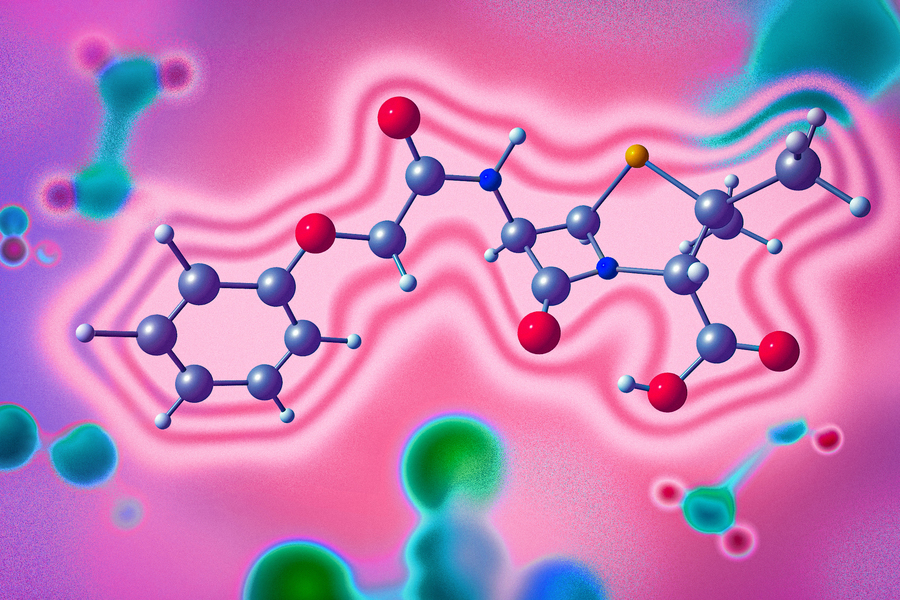
Researchers from leading institutions have uncovered an innovative method for driving chemical reactions, paving the way for the synthesis of a diverse array of compounds with potential pharmaceutical applications.
The Challenge of Synthesizing Azetidines
These compounds, known as azetidines, are distinguished by their unique four-membered nitrogen-containing rings. Historically, synthesizing azetidines has posed challenges compared to their five-membered counterparts, which are prevalent in many FDA-approved medications.
The breakthrough reaction leverages a photocatalyst that energizes molecules from their ground state. By utilizing advanced computational models, researchers can now predict which compounds can successfully react to form azetidines using this catalytic approach.
“Moving forward, this method allows researchers to pre-screen compounds, identifying which substrates are viable for reactions, thus streamlining the process and reducing reliance on trial-and-error techniques,” explains a leading chemistry professor involved in the study.
Light-Driven Synthesis and Its Impact
Light-driven synthesis is at the heart of this research. Many naturally occurring molecules—such as vitamins and hormones—feature five-membered nitrogen heterocycles, which are also integral to over half of FDA-approved small-molecule drugs. In contrast, four-membered nitrogen heterocycles like azetidines have been less common in therapeutic applications due to their synthetic complexity.
In recent endeavors, researchers have focused on using light to catalyze reactions between alkenes and oximes to produce azetidines. This process necessitates a photocatalyst that harnesses light energy, enabling reactants to interact more effectively.
“The catalyst facilitates energy transfer to other molecules, elevating them to excited states that enhance reactivity. This methodology opens up new avenues for chemical synthesis that were previously unattainable,” the researcher states.
Computational Insights Into Reaction Optimization
However, the efficiency of these reactions can vary significantly based on the specific reactants utilized. To optimize this process, collaboration with computational experts has led to insights into predicting reaction outcomes.
The research team hypothesized that the success of a photocatalyzed reaction depends on matching the energy levels of frontier orbitals of the involved reactants. By applying quantum mechanics principles, they were able to determine how these orbital energies influence reactivity.
Through calculations using density functional theory, researchers identified suitable reactants with compatible energy levels. When the excited states of an alkene and an oxime align closely, the energy barrier for the reaction decreases, facilitating product formation.
After calculating frontier orbital energies for various alkenes and oximes, the computational model accurately predicted potential azetidine-forming reactions. This predictive capability allows researchers to assess reaction viability in seconds.
“Our findings indicate a broader range of substrates available for azetidine synthesis than previously recognized. This could reshape how chemists approach these complex reactions,” the researcher adds.
Practical Applications and Future Directions
Out of 27 combinations evaluated computationally, experimental tests confirmed many predictions, including derivatives of established drugs such as amoxapine and indomethacin.
This computational strategy holds promise for pharmaceutical companies, allowing them to identify viable molecular combinations before investing heavily in synthesis development. Ongoing collaboration aims to explore additional novel syntheses involving other complex ring structures.
“The application of photocatalysts for substrate excitation is an emerging and dynamic field, promising to simplify the synthesis of traditionally challenging molecules,” concludes the researcher.
