



Newsroom

Innovative Drug Delivery Method Enhances Bioavailability of Hydrophobic Pharmaceuticals
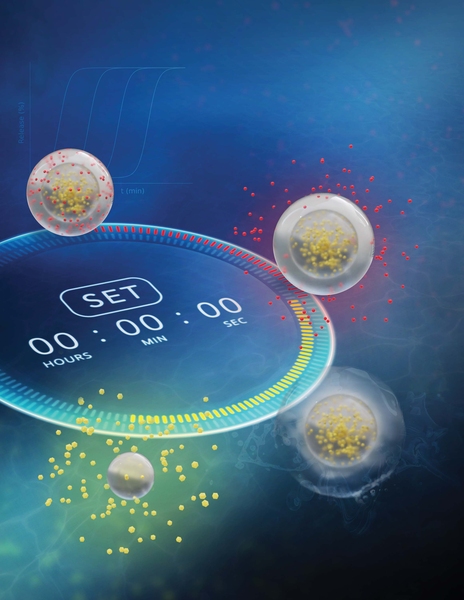
Many innovative pharmaceuticals in development are inherently hydrophobic, meaning they repel water and are challenging to dissolve for effective delivery in the body. Researchers at MIT have recently discovered a more efficient method for processing and delivering these drugs, significantly enhancing their effectiveness.
A New Liquid Processing Approach for Hydrophobic Drugs
This new approach, which involves processing drugs in a liquid solution rather than a solid state, is detailed in a study published in the December 15 issue of Advanced Healthcare Materials. The research was conducted by graduate student Lucas Attia, recent PhD graduate Liang-Hsun Chen, and professor of chemical engineering Patrick Doyle.
Traditionally, drug processing involves a lengthy sequence of steps. Doyle suggests that by integrating these steps and utilizing insights from soft matter and self-assembly processes, they can streamline the procedure and improve product quality.
Challenges of Hydrophobic Molecules and Patient Benefits
Attia points out that many small-molecule active ingredients are hydrophobic and poorly dissolve in water, resulting in low bioavailability. This presents challenges for oral administration, which is often preferred by patients over injections. With up to 90% of candidate drug molecules being hydrophobic, this method has broad implications for a significant category of potential medications.
An additional benefit of this innovative process is its ability to facilitate the combination of multiple drugs into a single pill. This is particularly important for patients managing various diseases who often require multiple medications. Reducing the number of pills enhances patient adherence to treatment regimens, which is crucial for chronic conditions characterized by complex medication schedules.
Hydrogel and Nanoemulsion Technology
A pivotal component of this new technique is the use of hydrogel, a sponge-like material that retains water and stabilizes molecules. Current methods for enhancing the bioavailability of hydrophobic substances often involve mechanically grinding crystals to reduce their size. However, this process can be time-consuming and costly, with limited control over particle size distribution, potentially damaging sensitive drug compounds.
In contrast, the new approach dissolves the drug in a carrier solution to create tiny nanodroplets dispersed within a polymer solution, forming a nanoemulsion. This nanoemulsion is then injected through a syringe and solidified into a hydrogel, which retains the droplets as the carrier evaporates, leaving behind drug nanocrystals. This technique allows for precise control over crystal size, preventing aggregation and ensuring uniform nanoparticles.
Controlled Release and Future Prospects
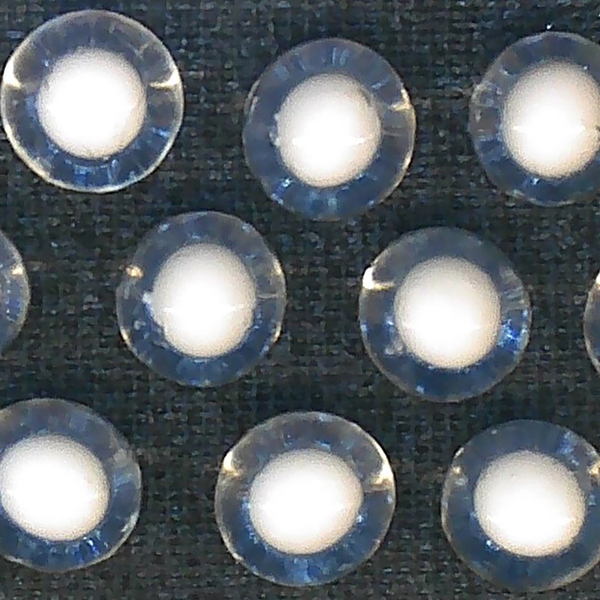
The result is a two-part structure: a core containing the active ingredients encased in a hydrogel shell that regulates the timing of drug release upon ingestion.
“We can achieve precise control over drug release timing and rate.” – Professor Patrick Doyle
Doyle notes, ‘We can achieve precise control over drug release timing and rate.’ For instance, if targeting diseases in the lower intestine or colon, they can manipulate when the drug begins to release and ensure rapid release once initiated. In contrast, drugs produced via traditional mechanical methods typically exhibit slower release rates.
Attia emphasizes that this method marks the first time core-shell composite particles can be created with distinct polymeric layers in a single processing step.
Moving forward, researchers plan to test this system on a diverse range of drug molecules beyond the initial examples. While they are optimistic about the method’s applicability across different drugs, they acknowledge that empirical data is essential for validation.
The dripping process used is scalable, although fine-tuning will be necessary. Fortunately, all materials selected for this research are recognized as safe for medical use, streamlining the approval process. Implementation could be achieved within a few years, alleviating concerns over typical safety challenges encountered by novel formulations.
This groundbreaking work has received support from the U.S. Department of Energy.
