



Newsroom

Innovative Hemostatic Nanoparticles: Optimal Size for Enhanced Bleeding Control
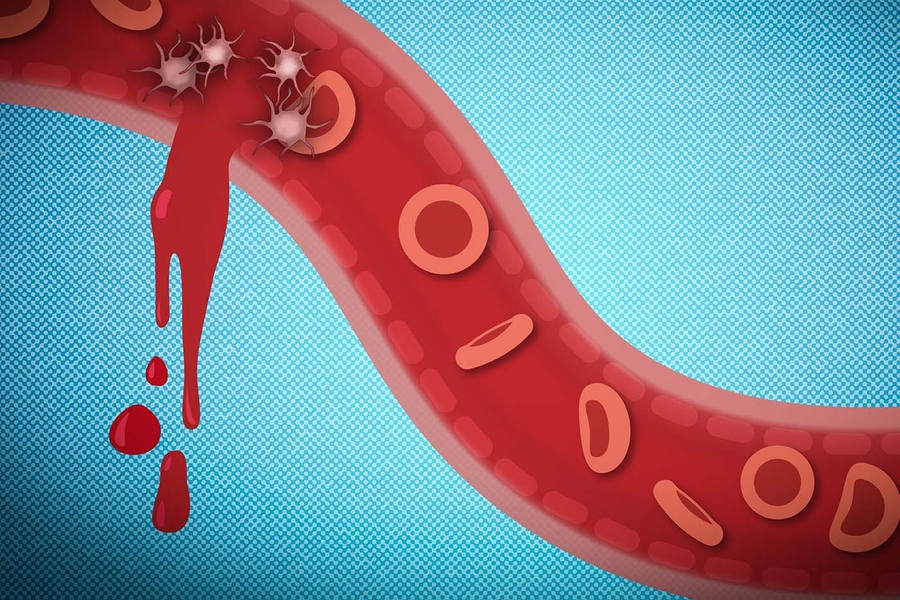
Injectable nanoparticles around 150 nanometers in size show the most promise in effectively stopping internal bleeding by attracting platelets at injury sites while minimizing off-target accumulation, potentially saving lives in traumatic injury cases.
Understanding Nanoparticle Size Impact on Hemostasis
Traumatic injuries remain a leading cause of death worldwide, especially among younger populations. Researchers are developing polymer nanoparticles that home in on wounds and help stop bleeding by recruiting platelets, critical cells for blood clotting. This study by MIT chemical engineers pioneers a systematic investigation into how particle size affects circulation and platelet interaction.
Intermediate-Sized Nanoparticles Optimize Platelet Recruitment
Using PEG-PLGA polymers conjugated with the GRGDS peptide, the team compared nanoparticles of various sizes—small (<100 nm), intermediate (140-220 nm), and large (500-650 nm)—to assess their platelet-binding capabilities. Laboratory flow and surface adhesion tests revealed that intermediate particles attracted the highest platelet content without clumping, ensuring effective clot formation.
“The intermediate particle size was the one that ended up with the greatest platelet content, balancing nanoparticle attraction without blocking platelet binding.”
In Vivo Efficacy and Safety Insights
Animal studies demonstrated that larger nanoparticles tended to accumulate in lungs and other off-target organs, posing safety risks. In contrast, intermediate-sized particles circulated longer and showed higher accumulation at wound sites in rat models of internal injury, effectively reducing bleeding.
Future Directions for Clinical Translation
Building on these findings, researchers plan to evaluate intermediate nanoparticles in larger animal models to optimize dosage and confirm chemical safety. The goal is to develop a first-response treatment that buys critical time for trauma patients until hospital care is available.
Acknowledgment and Publication Details
This research, funded by the U.S. Army Research Office and Department of Defense through MIT’s Institute for Soldier Nanotechnologies, was published in the journal of materials science ACS Nano, highlighting significant progress in nanoparticle-mediated hemostasis.
