



Newsroom

Innovative Hydrogel Platform for Enhanced Delivery of Monoclonal Antibodies
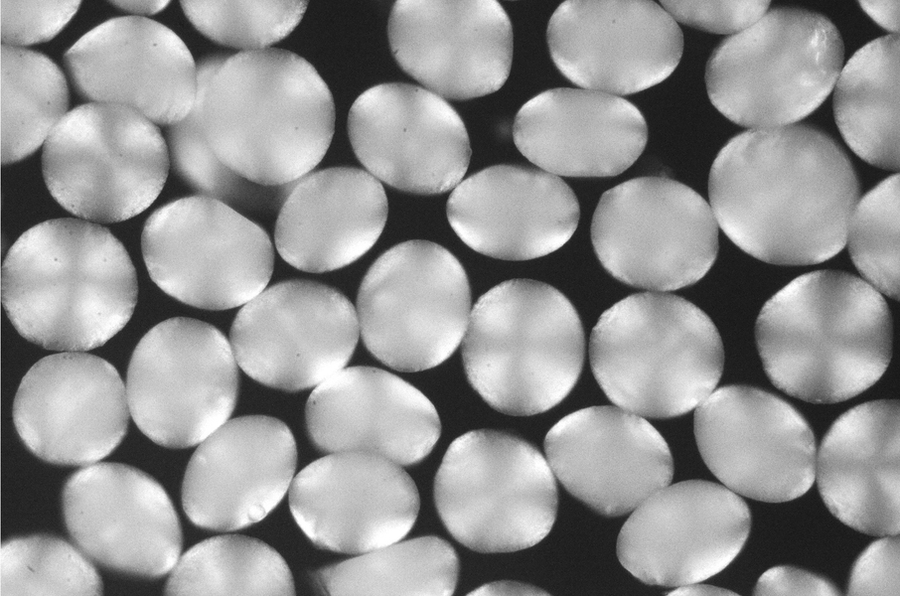
Biologics are revolutionizing treatment for serious diseases by harnessing living organisms to create therapies that enhance immunity and target tumors, yet their complex delivery methods remain a challenge that innovative hydrogel technology aims to overcome.
The Transformative Promise of Biologic Therapeutics
Biologics represent a groundbreaking class of therapeutics sourced from living organisms, providing significant benefits for patients facing serious diseases and disorders. These biologic treatments can enhance the immune system’s defense against infections or specifically target pathways to inhibit tumor growth.
Amir Erfani, a postdoctoral researcher at MIT’s Department of Chemical Engineering, highlights the transformative power of these drugs, stating, “They can save millions of people around the world.” Despite their remarkable effectiveness, biologics often come with challenges, particularly in administration, which typically involves lengthy intravenous (IV) infusions at clinics. For patients dealing with life-threatening or chronic conditions, spending hours away from home every few weeks can be quite daunting.
Innovative Hydrogel Platform for Simplified Delivery
To address these challenges, a recent collaboration between an MIT team and the Merck pharmaceutical company has resulted in a promising solution. The research team has developed a hydrogel platform designed to deliver monoclonal antibodies (MABs)—a specific type of biologic—through subcutaneous injection. This innovative method aims to simplify the delivery process while maintaining the therapeutic benefits of the drugs.
As lead author of the study published in Advanced Healthcare Materials, Erfani, along with co-authors from MIT and Merck, believes this advancement could pave the way for the next generation of monoclonal antibody treatments.
Challenges in Formulating Monoclonal Antibodies
Unlike traditional medications that consist of small molecules, biologics are large, complex structures made up of proteins, sugars, and DNA segments, engineered from living sources. Their size and complexity make them unsuitable for standard packaging methods used for conventional pills or injections.
Focusing on pembrolizumab (commonly referred to as pembro), a monoclonal antibody used to treat various difficult-to-treat cancers, the team faced challenges with traditional IV administration methods that require prolonged infusion times to achieve effective drug concentrations. Concentrating existing formulations often leads to increased viscosity, making them difficult to inject and potentially destabilizing the antibodies.
Hydrogel Capsules Enhancing Injection Feasibility
The researchers aimed to create a version of pembro that could be administered in smaller volumes via subcutaneous injection while retaining efficacy. Leveraging their expertise in flow dynamics and pharmaceutical formulations, they turned to hydrogel particles composed of sugar-based biopolymers that can facilitate smoother flow through syringes.
Erfani explains, “This MAB is highly adhesive and delicate, so we needed a method to ensure its molecules could move freely in a syringe.” The biocompatibility of their hydrogel capsules has been validated through toxicity studies, providing a favorable environment for the protein. These capsules allow for easy movement without clogging syringes while achieving the necessary concentration for effective subcutaneous delivery.
“Imagine bringing a lifesaving drug back to market,” Erfani says, highlighting the transformative possibilities this platform offers.
Future Applications and Social Impact
However, maintaining the integrity of the antibody during production and ensuring its biological effectiveness once injected posed significant challenges. Over five years, the team conducted numerous experiments to optimize their formulation using custom-designed equipment that blends biopolymer solutions with pembro crystals.
The researchers are currently testing their formulation in vivo, aiming for approval from the U.S. Food and Drug Administration in the coming years. Looking ahead, they see potential applications for their hydrogel platform beyond pembro. The versatility of this technology could enable the formulation of various monoclonal antibodies and other therapeutics with appropriate flow characteristics.
Future iterations of this platform may allow for controlled release of MABs over extended periods post-injection or accommodate other therapeutic molecules that enhance immune responses or target cancer pathways. The potential social impact is significant; by minimizing hospital visits and enabling single-shot injections at home, patient accessibility to treatments could greatly improve.
