


Newsroom

Innovative Leadership in Chemical Engineering Education: Fikile Brushett Takes Charge at MIT
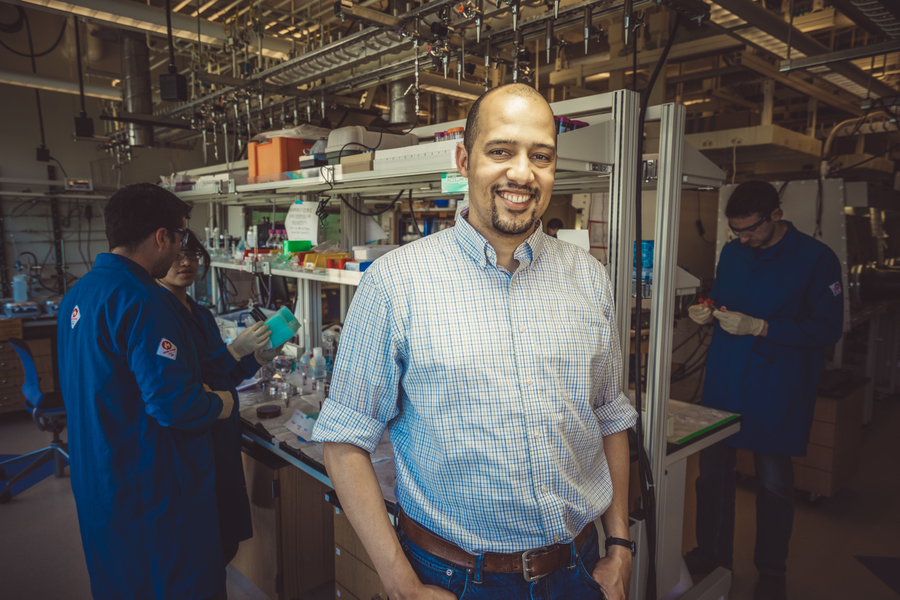
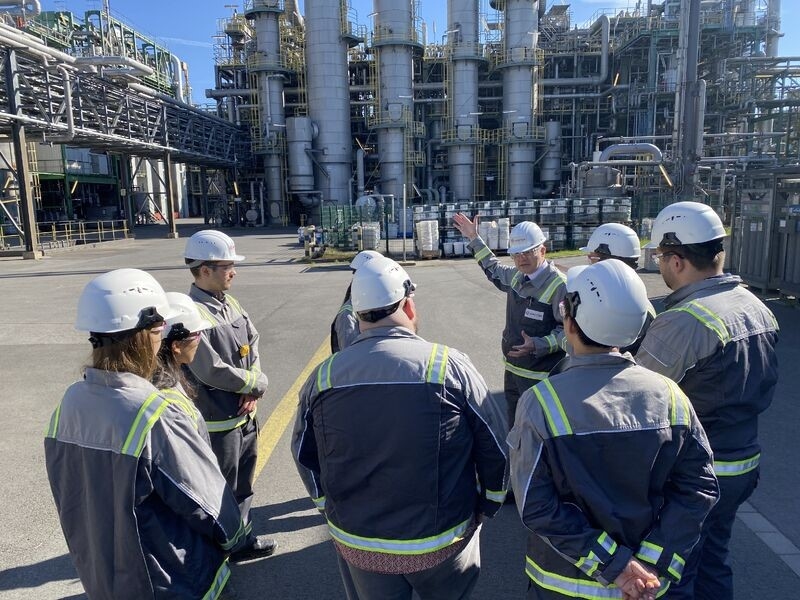
Fikile R. Brushett has been appointed as the director of MIT’s David H. Koch School of Chemical Engineering Practice, effective July 1. In this pivotal role, Brushett will steer one of MIT’s most innovative educational programs, enhancing the training and preparation of future chemical engineers. Joining the chemical engineering faculty in 2012, Brushett has made significant contributions to the department. As a globally recognized expert in energy storage, his research focuses on advancing electrochemical technologies to support a sustainable energy future. He is particularly engaged in exploring the fundamental processes that influence the performance, cost, and longevity of both current and next-generation electrochemical systems. In addition to his research endeavors, Brushett has played an active role as a first-year undergraduate advisor and has contributed to the graduate admissions committee and MIT’s Committee on the Undergraduate Program. “Fik’s scholarly excellence and extensive service make him exceptionally well-suited for this new challenge,” says Kristala L. J. Prather, the head of the Department of Chemical Engineering. “His directorship reflects his technical expertise and deep commitment to equipping students for impactful careers. I am confident he will lead the practice school with the same spirit of excellence and innovation that has characterized the program for generations.” Brushett takes over from T. Alan Hatton, who directed the practice school for 36 years and is well-known for modernizing the program to better reflect the diverse applications of chemical engineering. Hatton recognized that focusing on a single industry segment was insufficient, leading to the expansion of opportunities for students across various sectors. Under Hatton’s leadership, the practice school grew to include international partnerships and a broader range of industries. He introduced a model that enables new companies to join each year, ensuring a wider participation base and sharing costs among sponsors. Additionally, he launched an intensive project management course during MIT’s Independent Activities Period, which complements students’ practical experiences and prepares them for their careers. The practice school not only benefits students but also provides significant value to hosting companies. By integrating teams into manufacturing plants and R&D centers, businesses gain innovative insights into pressing technical challenges, supported by the analytical skills of MIT-trained professionals. Many companies report that student projects have led to substantial cost savings, improved processes, and new avenues for product development. In sectors where efficiency, safety, and sustainability are critical, the program offers actionable insights that help companies enhance their competitiveness and foster growth. This unique collaboration allows students to gain real-world experience while companies tap into the expertise and creativity of emerging chemical engineers. Established in 1916 by MIT alumnus Arthur D. Little and Professor William Walker, with support from George Eastman of Eastman Kodak, the practice school was designed to provide practical experience in chemical engineering education. Initially focused on traditional chemical industries in the Northeast, it has evolved over the years. Today, this distinctive program enables students to consult with global companies across various fields, including food production, pharmaceuticals, energy, and finance, tackling some of the industry’s most challenging problems. Over a century since its inception, the practice school continues to exemplify MIT’s dedication to hands-on, problem-driven learning that transforms both students and the industries they serve. The practice school experience is integral to ChemE’s MSCEP and PhD/ScDCEP programs. After completing their coursework, students attend practice school stations at host company sites. Groups of six to ten students spend two months at two different stations, where they engage in collaborative projects that culminate in formal presentations and comprehensive reports for their host companies. Recent locations include Evonik in Marl, Germany; AstraZeneca in Gaithersburg, Maryland; EGA in Dubai; AspenTech in Bedford, Massachusetts; and Shell Technology Center along with Dimensional Energy in Houston, Texas.