



Newsroom

Innovative Lipid Nanoparticles for Targeted Gene Editing in Lung Therapies
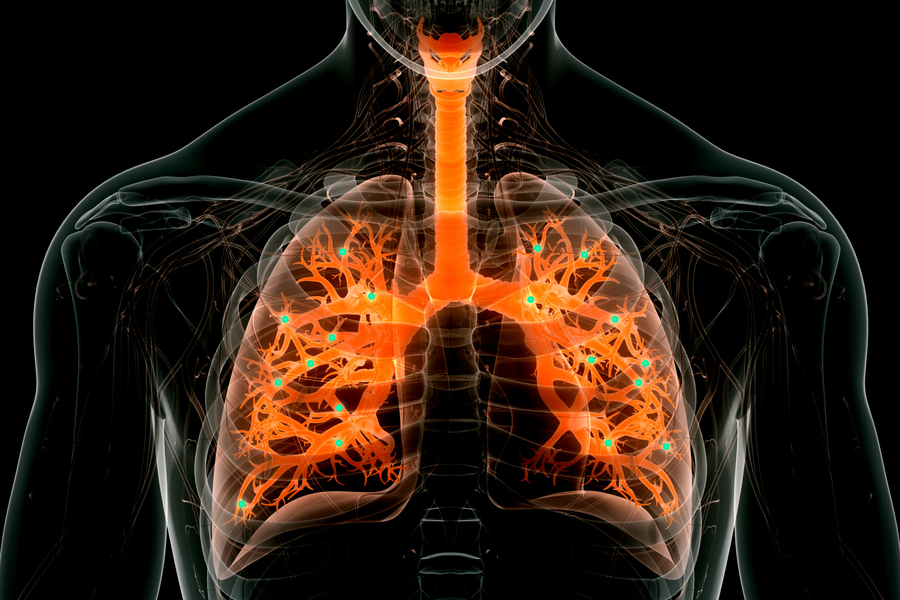
Researchers have engineered a breakthrough nanoparticle system designed for inhalable delivery of messenger RNA, promising new treatments for cystic fibrosis and other lung diseases.
Revolutionizing RNA Delivery to the Lungs
This study introduces the first highly efficient method to deliver RNA directly to lung tissues in a mouse model, opening possibilities for therapies targeting genetic disorders such as cystic fibrosis. The compound nanoparticles specifically interact with lung epithelial cells to maximize transfection success.
Mechanism and Composition of Nanoparticles
The researchers created lipid nanoparticles composed of a positively charged headgroup and an elongated lipid tail to bind effectively with negatively charged mRNA strands. This design facilitates cellular uptake and enables the mRNA to escape cellular compartments efficiently after delivery.
By testing numerous chemical structures, the team discovered specific combinations that target lung tissues with high precision and minimal side effects.
Outstanding Delivery Efficiency and Targeting
A single dose of mRNA achieved transfection in about 40% of lung epithelial cells, with repeated doses increasing this rate beyond 60%. Particularly, cas id studies revealed transfection rates of 15% in both club cells and ciliated cells, key players in respiratory function.
“This advancement paves the way for safe, effective lung gene therapies with rapid production and minimal immune reaction.”
Safety Profile and Future Applications
These nanoparticles degrade quickly within lung tissue, reducing inflammation risks and allowing multiple administrations without provoking immune responses typical of viral vectors. Future efforts aim to improve nanoparticle stability for aerosol delivery and explore their use in correcting genetic mutations related to cystic fibrosis.
Additionally, the technology shows promise for vaccine development against various pulmonary diseases, expanding its therapeutic potential.
Conclusion
This innovative approach establishes a foundation for advanced gene delivery to the lungs, combining high efficiency, excellent safety, and rapid manufacturability—offering new hope for treating debilitating respiratory conditions.
