


Newsroom

Innovative Machine Learning Method Enhances Plastic Durability with Ferrocenes
Innovative Machine Learning Method Enhances Plastic Durability with Ferrocenes
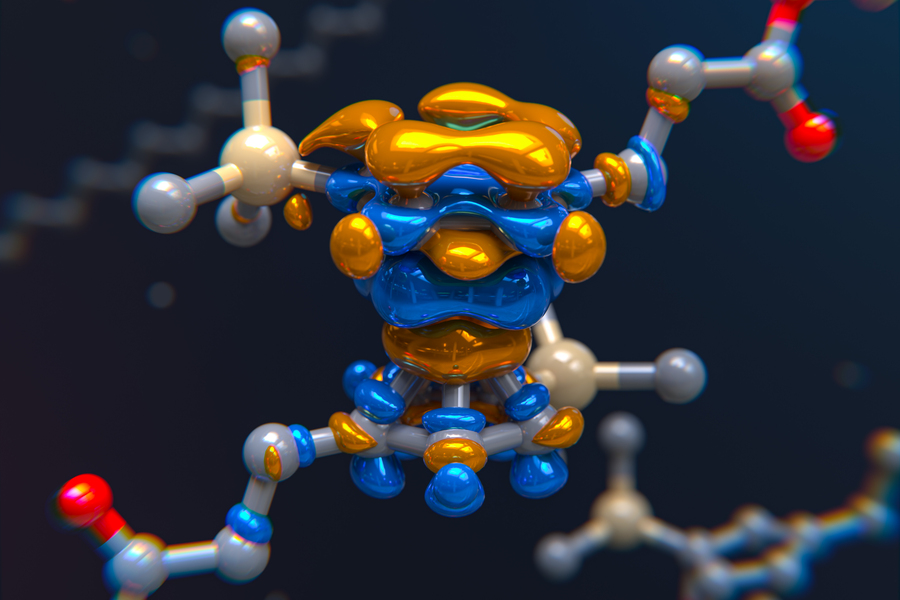
Recent advancements in polymer material technology may significantly enhance the durability of plastics while addressing the pressing issue of plastic waste, as highlighted by researchers from leading institutions. Utilizing machine learning techniques, these researchers have pinpointed specific crosslinker molecules that can be integrated into polymer compositions, enabling them to endure higher stress before failure. These innovative crosslinkers are categorized as mechanophores, which can alter their structure or properties when subjected to mechanical forces. Heather Kulik, a prominent chemical engineering professor, explains, These mechanophores can be instrumental in developing stronger polymers that respond positively to applied stress, allowing them to maintain their integrity instead of fracturing. The study focuses on iron-containing compounds known as ferrocenes, which had not been extensively examined for their mechanophore capabilities until now. The team demonstrated that machine learning could significantly expedite the experimental evaluation of these mechanophores, which typically requires lengthy testing procedures. Mechanophores are known for their unique responses to force, such as changes in color or structural properties. This research builds upon earlier findings where incorporating weaker crosslinkers into a polymer network resulted in enhanced material strength. When subjected to stress, cracks tend to navigate through weaker links rather than stronger ones, thereby increasing overall resilience. The challenge was identifying the best candidates among countless possibilities. Collaborating on this project, Kulik and her colleague Craig sought mechanophores that could act as weak crosslinkers to further exploit this phenomenon. Characterizing mechanophores often involves tedious experiments or complex simulations, with most known examples being organic compounds. The current focus is on ferrocenes—organometallic compounds featuring an iron atom between two carbon rings. Many of these compounds are already utilized in pharmaceuticals and catalysis, yet their potential as mechanophores remains largely untapped. By leveraging machine learning, the research team utilized a neural network to sift through a database containing thousands of synthesized ferrocenes. The initial phase involved simulating about 400 compounds to determine how much force was required to separate their atoms. The aim was to find compounds that would break apart easily, enhancing the tear resistance of polymer materials. Through this process, two significant characteristics were identified: interactions between chemical groups attached to the ferrocene rings and the presence of bulky molecules that increased susceptibility to applied forces. Interestingly, the latter characteristic emerged as an unexpected finding, only revealed through artificial intelligence techniques. After narrowing down approximately 100 viable candidates, the team successfully synthesized a polymer incorporating one promising mechanophore, m-TMS-Fc. This innovative crosslinker demonstrated remarkable results; the resulting polyacrylate material was found to be four times tougher than those made with traditional ferrocene crosslinkers. This breakthrough has substantial implications for reducing plastic waste. As Kevlishvili states, Developing tougher materials means longer lifespans, which could ultimately lead to decreased plastic production over time. Looking ahead, the researchers aim to apply their machine-learning approach to discover mechanophores with additional beneficial properties, such as color-changing abilities or catalytic activities triggered by mechanical stress. These materials could have transformative applications in various fields, including stress sensing and drug delivery in biomedical settings. The exploration of transition metal mechanophores remains in its infancy, presenting exciting opportunities for future investigations. The research was supported by the National Science Foundation Center for the Chemistry of Molecularly Optimized Networks (MONET).
