



Newsroom

Innovative Schmidt Science Fellows from MIT Pioneering Interdisciplinary Research in Health and Environment
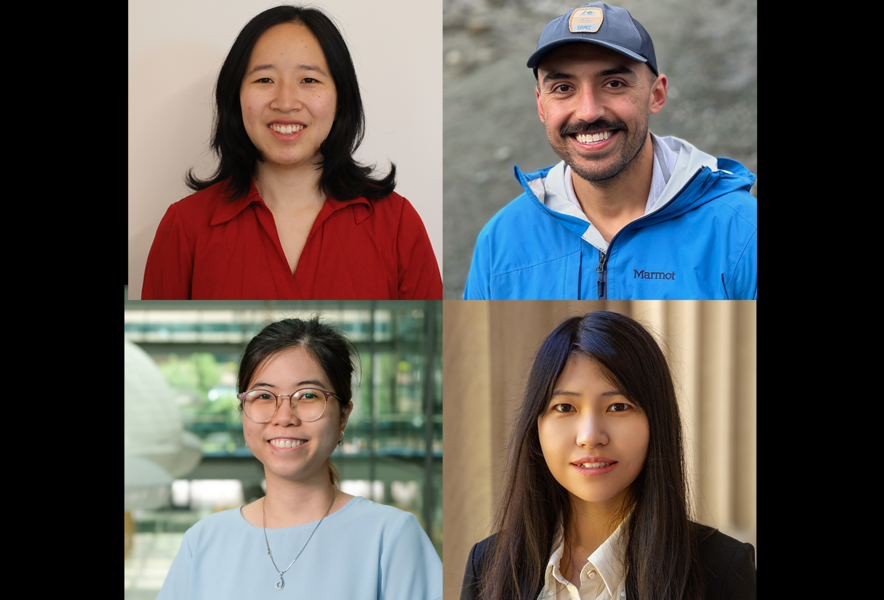
This year, four researchers affiliated with MIT have been honored as Schmidt Science Fellows, joining a select group of 32 outstanding early-career scientists worldwide. The fellows include Lillian Chin, Neil Dalvie, Suong Nguyen, and Yirui Zhang, all recognized for their innovative contributions to science and technology.
About the Schmidt Science Fellowship
The Schmidt Science Fellowship is a philanthropic initiative designed to connect talented individuals in networks that foster innovative solutions to pressing scientific and societal challenges. Each fellow receives an annual stipend of $100,000 for up to two years of postdoctoral research in a discipline different from their PhD at a leading laboratory globally.
Research Highlights of the Fellows
Lillian Chin
Currently pursuing her PhD in Electrical Engineering and Computer Science, Lillian Chin focuses on developing innovative materials for robotic applications. Her research involves creating ‘meta-materials’ through geometric design, resulting in robots that can expand in volume and operate in hazardous environments.
Chin aims to explore custom materials equipped with internal sensors to enhance understanding of human interaction with objects. She seeks to leverage these advancements in diagnosing motor-related diseases and improving rehabilitation outcomes.
Neil Dalvie
A graduate from the Department of Chemical Engineering, Neil Dalvie has developed cutting-edge molecular biology techniques for producing therapeutic proteins in yeast. His work played a crucial role in developing a Covid-19 vaccine for low-income countries.
As a Schmidt Fellow, Dalvie will collaborate with Harvard Medical School to engineer microorganisms that enhance rock weathering and carbon sequestration, contributing to climate change mitigation.
Suong Nguyen
Suong Nguyen earned her PhD from Princeton University, where she specialized in light-driven catalytic methodologies for organic synthesis and waste recycling. Now a postdoctoral researcher, she aims to transition from organic chemistry to the field of nanomaterials.
Nguyen aspires to create new strategies for achieving precise control over the structure of nanomaterials, unlocking their potential for therapeutic applications.
Yirui Zhang
With expertise in electrochemical energy storage and conversion, Yirui Zhang has developed techniques to analyze electrode-electrolyte interfaces and enhance electrochemical reactions.
As a Schmidt Fellow, Zhang intends to pivot towards biosensing technologies, integrating spectroscopy and machine learning to create rapid diagnostic methods for infectious diseases.
Wendy Schmidt, co-founder of Schmidt Futures, emphasizes the importance of allowing scientists the freedom to pursue significant inquiries that can lead to breakthroughs across various disciplines. The current cohort of Schmidt Science Fellows is addressing critical issues such as climate change, drug discovery, and advanced materials development.
Conclusion
The Schmidt Science Fellowship not only represents a prestigious recognition of these researchers’ talents but also provides them with invaluable opportunities for collaboration across diverse scientific fields. Their work is poised to drive significant advancements in health care, energy solutions, and environmental sustainability.
