



Newsroom

Revolutionizing Drug Discovery: AI-Driven Chemistry Startup Secures $95 Million Funding
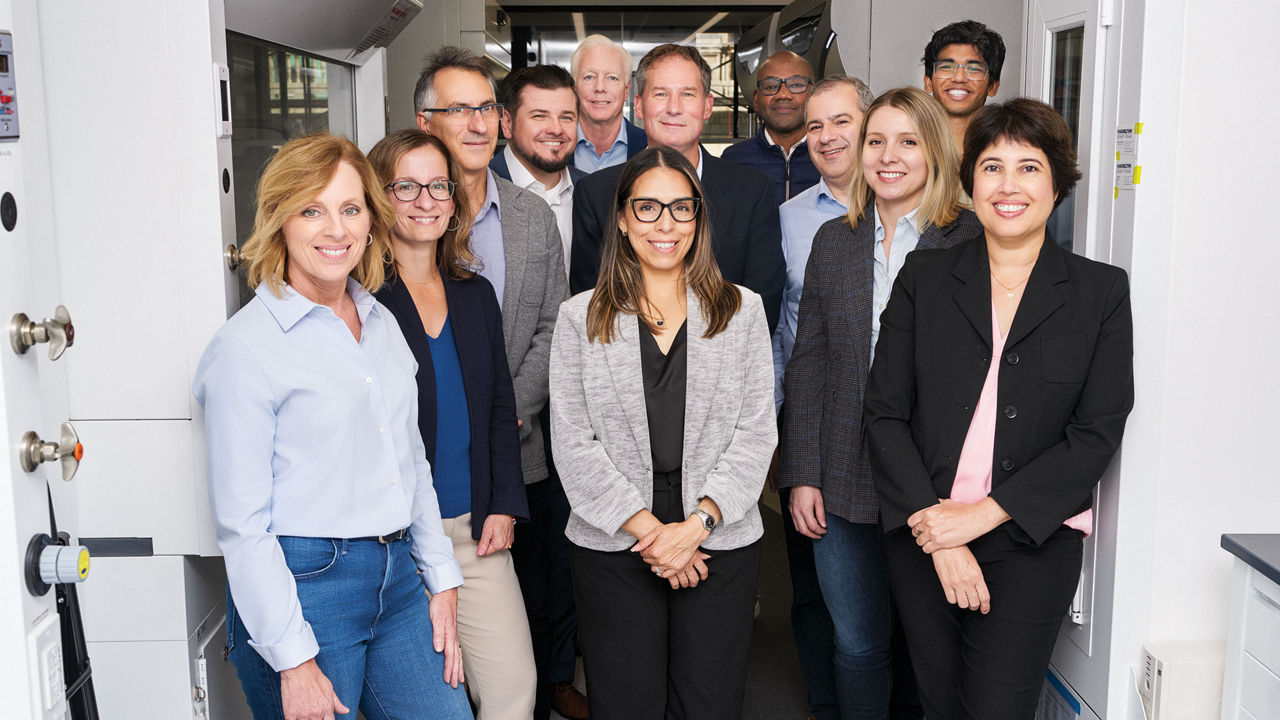
A chemistry start-up based in Midtown Manhattan has secured $95 million in Series A funding to revolutionize drug discovery using artificial intelligence, shifting traditional chemistry processes towards robotic automation.
Innovative AI-Powered Drug Discovery
Excelsior Sciences attracted $70 million from prominent investors including Deerfield Management, Khosla Ventures, and Sofinnova Partners, complemented by a $25 million grant from New York’s Empire State Development. Their approach centers on identifying small-molecule drugs through chemistry processes executable by laboratory robots instead of human chemists.
Building Blocks of Machine Chemistry
Starting with approximately 2,000 FDA-approved small-molecule drugs, Excelsior deconstructs these into “smart bloccs,” foundational units for creating new compounds. This simplification allows machines to navigate synthetic chemistry more effectively than generative AI models.
“We are simplifying the intricate world of synthetic chemistry into manageable building blocks that machines can utilize.” – Jana Jensen, Co-founder and COO
Experienced Leadership and Strategic Vision
With decades of pharmaceutical and biotech experience, CEO Michael Foley and COO Jana Jensen lead Excelsior. Their vision is influenced by challenges revealed during the COVID-19 pandemic, emphasizing onshoring and automation to secure drug supply chains.
Automation and Collaboration for Future Growth
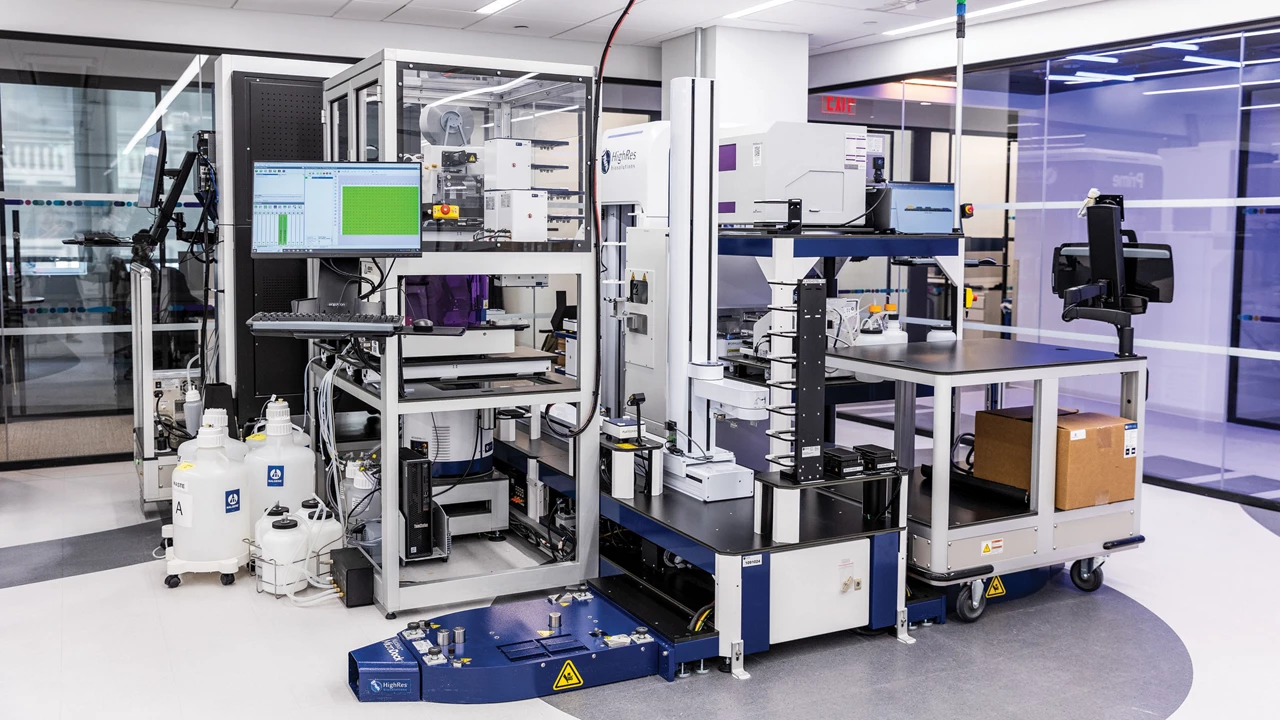
Excelsior collaborates with chemist Martin Burke to connect smart bloccs via carbon-carbon bonds, enabling rapid molecule synthesis. Robotic arms handle powders and automated synthesizers create compounds, feeding AI algorithms with critical data to optimize drug discovery.
Vision for Onshoring Drug Manufacturing
Foley stresses that automation and AI integration are key to bringing compound manufacturing back to the US, aiming to reduce dependence on outsourcing and improve speed and cost-efficiency across pharma and biotech industries.
