



Newsroom

Revolutionizing Energy: Vehicle-to-Grid Solutions for Sustainable Power Systems
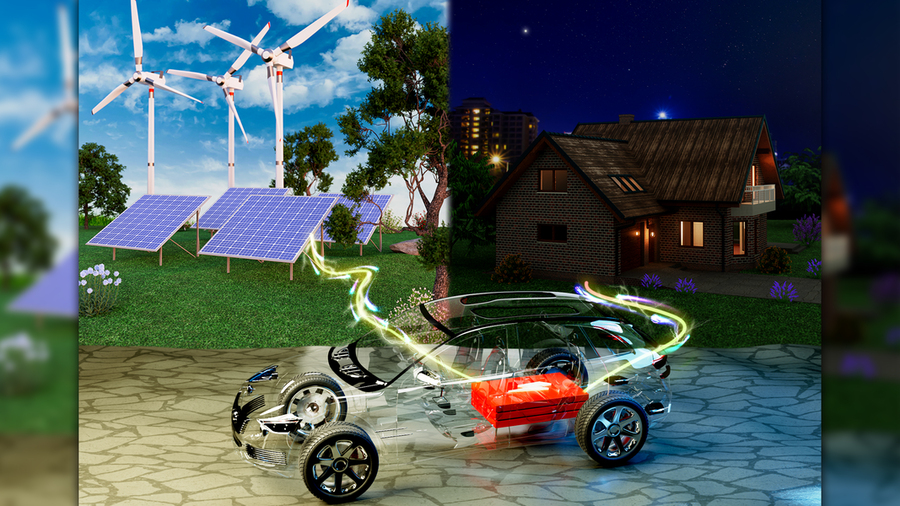
Electric vehicles are evolving beyond simple energy consumers to become dynamic energy contributors, offering transformative potential for renewable energy integration and decarbonizing power systems worldwide.
Vehicle-to-Grid Technology and Renewable Energy Synergy
Electric vehicle (EV) owners traditionally charge their vehicles from the power grid at home or work. However, new technological advances enable EVs to not only consume electricity but also to supply energy back to the grid through vehicle-to-grid (V2G) technology. According to a recent MIT study published in Energy Advances, the collective batteries of EVs represent a cost-effective and scalable energy resource that could revolutionize the energy landscape as EV adoption expands.
Comprehensive Modeling of Future Power Systems
The research utilized advanced computational models incorporating carbon emission targets, variable renewable energy generation, and the economics of energy storage and transmission. These models demonstrate that V2G can reduce reliance on stationary storage solutions and conventional generators such as natural gas turbines. Lead author Jim Owens emphasizes that V2G can transform energy management at scale, especially as the number of EVs grows.
Gençer, another key researcher, explains how EVs can function as mobile storage units, offering unexpected value for decarbonization efforts across entire power systems.
Economic and Environmental Benefits of V2G Implementation
In a New England case study with stringent carbon limits, engaging just 13.9% of the region’s 8 million light-duty EVs in V2G activities could offset 14.7 gigawatts of stationary storage capacity. This translates into savings of approximately $700 million by avoiding investments in new storage infrastructure.
Moreover, V2G can supply power during peak demand periods, reducing the need for additional natural gas plants. Owens remarks that this flexibility is among the study’s most intriguing findings.
“V2G technology offers significant savings and a pathway to cleaner, more resilient power systems.”
Challenges and Opportunities for Widespread Adoption
Despite the clear advantages, consumer hesitation remains a barrier. Many EV owners appreciate sustainable driving but may resist granting utilities access to their vehicle batteries. Policy incentives similar to solar panel compensation programs could encourage participation.
Gençer notes that not all vehicles will be available to discharge energy at peak times, but varied driving patterns and additional sources like electric school buses can ensure sufficient battery capacity is accessible throughout the day.
Future Directions and Industry Impact
Owens is further investigating the potential of heavy-duty electric vehicles to contribute to decarbonization efforts, with companies like Amazon and FedEx possibly leading adoption due to predictable routes and schedules.
The study’s insights aim to inform system planners and operators about strategic investments in V2G infrastructure, enabling a cleaner and more efficient energy future as the EV market continues to evolve.
Image credit: MIT Energy Advances Study on Vehicle-to-Grid Technology
