



Newsroom

Understanding Antibiotic-Associated Diarrhea: The Role of Gut Microbiome in Amoxicillin-Clavulanate Treatment
A recent collaborative study reveals that the chemical composition of an individual’s gut microbiome crucially influences the risk of developing antibiotic-associated diarrhea, offering a path toward personalized treatment strategies.
The Link Between Gut Microbiome and Antibiotic Side Effects
A joint investigation by Singapore General Hospital (SGH) and the Singapore-MIT Alliance for Research and Technology (SMART) identified that variations in the gut bacterial family Ruminococcaceae directly impact diarrheal outcomes following treatment with the antibiotic amoxicillin-clavulanate, commonly known as Augmentin. This antibiotic is widely prescribed for infections such as pneumonia and urinary tract infections.
Researchers discovered that patients with lower levels of Ruminococcaceae were significantly more likely to experience diarrhea during and prior to antibiotic administration, suggesting a predisposition linked to gut microbial composition. This finding highlights the importance of gut health in mediating drug response.
Predictive Diagnostics and Personalized Medicine
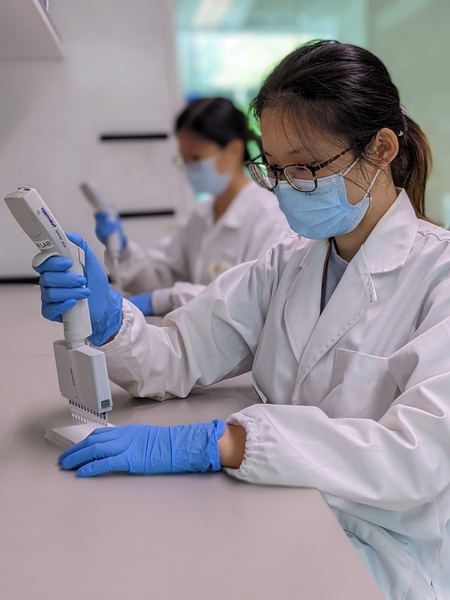
Building on these findings, the team developed a simple polymerase chain reaction test focusing on Faecalibacterium prausnitzii, a key species within the Ruminococcaceae family. This test could rapidly assess a patient’s risk of developing diarrhea from amoxicillin-clavulanate in clinical settings, enabling more informed prescription decisions.
According to Shirin Kalimuddin, principal investigator from SGH’s Department of Infectious Diseases, understanding patient-specific responses to antibiotics will aid in minimizing adverse effects without compromising treatment efficacy.
“Our gut microbial composition holds the key to predicting and potentially preventing antibiotic-associated diarrhea.”
Implications for Global Antibiotic Use
Globally, one in three patients taking amoxicillin-clavulanate develop diarrhea severe enough to interrupt treatment or require alternative therapies, which can be more costly or administrated intravenously. Such complications may also prolong hospital stays and increase the risk of further infections.
Eric J. Alm from MIT emphasizes that while genetics have been studied extensively in drug response, the role of the gut microbiome remains underexplored. This research provides a framework for extending investigations into how microbial communities influence reactions to other antibiotic classes.

Future Directions and Clinical Trials
The research team plans to initiate clinical trials exploring the use of specific Ruminococcaceae species as probiotics to prevent diarrhea in patients receiving antibiotics, potentially transforming treatment protocols and improving patient outcomes worldwide.
Published in the peer-reviewed journal iScience, this study exemplifies the innovative translational research efforts led by SGH and SMART, backed by Singapore’s National Research Foundation.
