



Newsroom

Unlocking Visual Storytelling: A Guide to Scientific Imaging Techniques
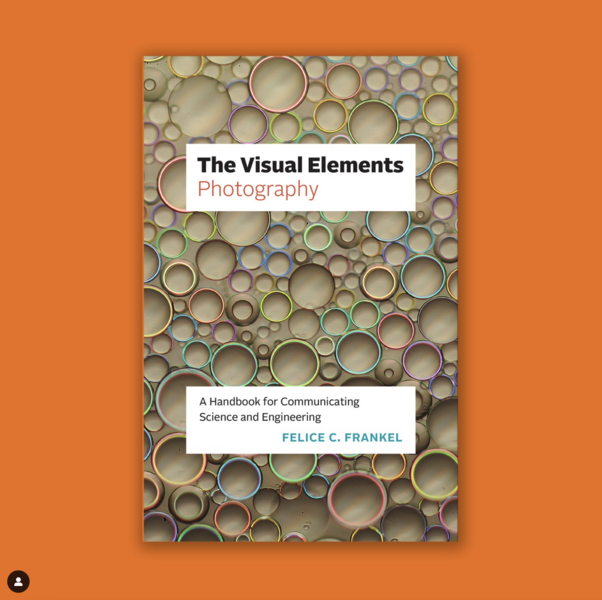
Felice C. Frankel’s captivating images have been a visual staple in leading scientific journals for decades. As a research scientist in the MIT Department of Chemical Engineering, she has created stunning and thought-provoking art that not only captivates but also educates readers.
The Art of Scientific Imagery
Frankel’s work has graced covers such as PNAS, where paper wads float gracefully on a clear surface, drawing curiosity to research on “Lubrication with crumpled graphene balls.” In Nature Medicine, her image of an elongated spoon filled with sugar serves as a striking metaphor for “Glycemic correction without immunosuppression.” These visuals are not just art; they are tools that bridge science and public engagement.
Teaching Visual Storytelling
Beyond her artistry, Frankel dedicates years to teaching researchers to become visual storytellers. Her recent book, The Visual Elements: Photography (University of Chicago Press, 2023), offers a concise 225-page guide on communicating research through images using tools like scanners, phones, cameras, and microscopes.
She explains, “I engage with researchers, pushing them to craft metaphors that encapsulate their work, leading us to conceptualize potential images.” Her approach emphasizes understanding and accessibility over mere aesthetics.
Mastering Imaging Tools
Each chapter delves into the strengths and limitations of different devices. Frankel humorously notes her fascination with photographing eggs using scanners, highlighting their versatility in capturing intricate details. The book features visuals ranging from agate formations and slime molds to electrolyzer technologies and even bubbling Bolognese sauce.
“You can do this!” – Frankel’s rallying call inspiring visual exploration akin to scientific discovery.
Inspiring a New Generation
Frankel collaborates with renowned scientists like Nobel laureate Moungi Bawendi and stresses the importance of experimentation and image integrity. She acknowledges time constraints faced by scientists but encourages visual literacy to enhance communication and truthfulness in digital imagery.
Upcoming volumes in her series will explore design principles for journals and presentations, abstraction through metaphors and models, and data visualization techniques.
Reflecting on her journey, Frankel shares, “This series represents 30 years of my journey and ongoing exploration. The exciting part is that I’m learning about science as I create these images. It’s truly a rewarding profession.”
